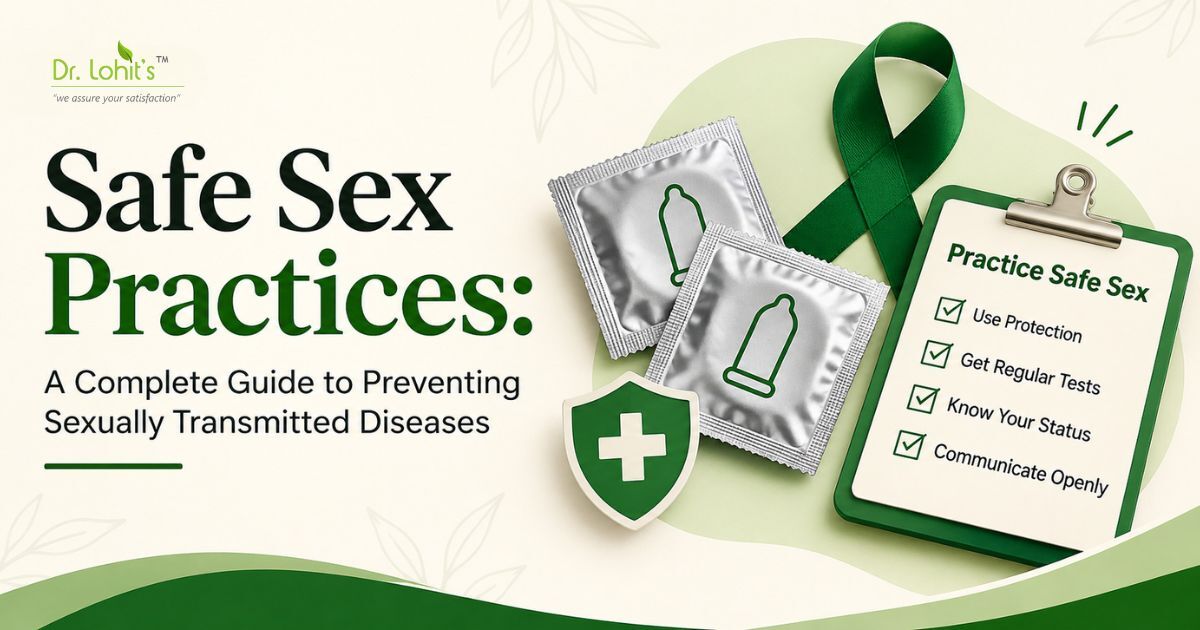
Safe Sex Practices: A Complete Guide to Preventing Sexually Transmitted Diseases
Most people who carry a sexually transmitted infection have no idea they have it. This guide covers the safe sex practices that actually protect you and your partner.
Most people who carry a sexually transmitted infection have no idea they have it. There's no rash, no pain, no warning sign.
That's what makes STDs so easy to pass on, and why safe sex practices matter for everyone who is sexually active. The good news? Most infections are preventable with a few consistent habits.
How to Prevent STDs: The Safe Sex Practices That Work Best
Use a condom correctly every time, get vaccinated against HPV and hepatitis B, and test regularly. Talk openly with partners, limit your number of partners and avoid sex under the influence. Together, these steps sharply cut your risk.
Why STD Prevention Matters More Than You Think
According to the World Health Organization, more than 1 million curable STIs are picked up every day worldwide among people aged 15-49. Most cause no symptoms at all.
Left untreated, some infections can lead to infertility, chronic pain or complications in pregnancy. Prevention is far easier than dealing with the fallout. Knowing how to prevent STDs protects not only you but every future partner too.
7 Safe Sex Tips to Protect Yourself and Your Partner
Good safe sex and STD prevention starts with everyday habits. Here are seven worth building.
1. Use Condoms Every Time
Condoms remain the most practical form of protected sex. Use them for vaginal, anal and oral sex, from start to finish.
Check the expiry date, store them away from heat and never use two at once. Friction between them can cause tears.
2. Choose the Right Lubricant
Water-based or silicone-based lubricants are safe with latex condoms. Oil-based products, such as petroleum jelly or body lotion, weaken latex and can cause breakage.
3. Get Vaccinated
Vaccines protect against hepatitis B and HPV, the virus behind genital warts and cervical cancer. Ask your doctor whether you're eligible. The HPV vaccine works best when given before someone becomes sexually active.
4. Test Regularly
Testing is one of the most overlooked safe sex tips. Get checked before starting a new relationship and after any unprotected encounter.
Many infections are simple to treat once found.
5. Talk Honestly With Your Partner
Discuss testing, past infections and protection before things get physical. If either of you has been treated for an infection, finish the full course before having sex again.
6. Limit Your Number of Partners
Fewer partners means fewer chances of exposure. A mutually monogamous relationship with a tested partner carries the lowest risk. Until you've both tested, protected sex is the wiser choice.
7. Stay Clear-Headed
Alcohol and drugs lower inhibitions. They make it easier to skip condoms or misjudge risk.
What Condoms Can't Fully Prevent
Condoms greatly reduce risk, but they don't cover every inch of skin. Herpes and HPV can spread through skin-to-skin contact in areas a condom leaves exposed.
That's why safe sex and STD prevention work best as a combination. Pair condoms with vaccination, testing and open communication.
If you're at higher risk of HIV, ask a doctor about PrEP, a daily preventive medicine. After a possible exposure, PEP must be started within 72 hours.
Protection Is a Habit, Not a One-Off
The best safe sex practices aren't complicated. They're small choices, repeated every time, that protect your health and your partner's.
If you have symptoms, questions or concerns after unprotected sex, don't wait. At Dr. Lohit's Ayur Sex Clinic in Bangalore, Dr. A.V. Lohit offers private, judgement-free consultations on sexual health. Learn more about our STD consultation and care and take the first step towards confident, healthier safe sex practices today.
Frequently Asked Questions
1. What are the most effective safe sex practices?
Correct condom use every time is the foundation. Add vaccination against HPV and hepatitis B, regular testing, fewer partners and honest conversations. No single step offers complete protection, but combining them lowers your risk more than relying on one method.
2. Can you get an STD even if you use a condom?
Yes, though the risk is much lower. Infections such as herpes and HPV can still spread through skin-to-skin contact outside the area a condom covers. That's why protected sex works best alongside vaccination and regular, joint testing with your partner.
3. How often should I get tested for STDs?
It depends on your risk. Many sexually active adults test once a year, while people with new or multiple partners may need testing every three to six months. Your doctor can recommend a testing schedule suited to your personal situation.
4. Can you get an STD from oral sex?
Yes. Gonorrhoea, chlamydia, syphilis, herpes and HPV can all pass through oral sex. Using condoms or dental dams is also one of the simplest safe sex tips for reducing this risk, along with regular check-ups if you have multiple partners.
5. What should I do after unprotected sex?
Stay calm and speak to a doctor promptly. If HIV exposure is possible, PEP must begin within 72 hours. Timely testing is a key part of how to prevent STDs spreading further, so avoid sex until your results are clear.
Have a private question?
Book a confidential consultation with Dr. Lohit, in person or online.